


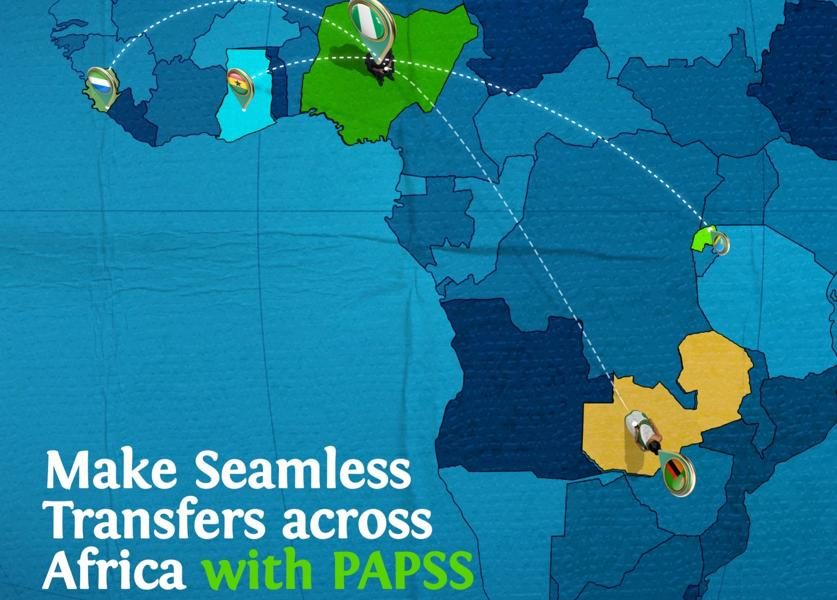

For many Nigerian businesses, growth opportunities are no longer limited to Nigeria. A fashion brand may source fabrics from Ghana. A pharmaceutical distributor may buy products from Kenya. A manufacturer may pay suppliers in several African countries, while a tech company in Lagos may serve customers in Rwanda or Zambia.
Trade across Africa is expanding. The African Continental Free Trade Area, AfCFTA, is creating a framework for deeper economic integration, wider market access and more trade between African countries. Farmers, traders, cooperatives, aggregators and small businesses are also using digital platforms to connect with regional buyers and suppliers.
But finding a business opportunity is only one part of the process. Businesses also need to pay suppliers, settle invoices and receive payments without delays. Traditional cross border payment routes often require United States dollars or euros, intermediary banks, multiple currency conversions, extra costs and longer processing times. These factors can strain cash flow, disrupt supply schedules and slow down expansion.
The Pan African Payment and Settlement System, PAPSS, was created to solve this problem. PAPSS is a payment infrastructure designed to enable secure and near instant transactions between participating African countries. With PAPSS, a Nigerian customer can initiate a payment in Naira and the beneficiary receives the equivalent value in their local currency.
This local currency model means businesses do not need to source dollars or euros for eligible transactions within Africa. It also reduces extra currency conversions and reliance on correspondent banks outside the continent. For Nigerian businesses, this can lead to a simpler payment process, faster settlement and better visibility on transaction costs.
Speed is a key feature of PAPSS. Through Fidelity Bank Plc, PAPSS transfers can be completed in 120 seconds, depending on the requirements of the receiving market. This allows businesses to respond quickly when suppliers request payment, meet delivery timelines and move from negotiation to execution faster.
PAPSS supports a range of personal and commercial payments. Business owners can use it for payments to suppliers, distributors, service providers and other commercial partners. Parents and guardians can make eligible school fee payments. Individuals can also use PAPSS for approved family support and other permitted transactions across supported African corridors.
For businesses in regional trade, faster payments can improve cash flow, strengthen supplier relationships and support better planning. A manufacturer waiting for raw materials can settle an invoice more efficiently. A retailer importing goods from another African country can avoid the stress of sourcing foreign currency. An exporter can also receive payments in Naira for goods sold across Africa, subject to regulatory and export procedures.
Choosing the right bank matters when processing PAPSS transactions. Fidelity Bank offers digital access, a wide branch network and experience supporting SMEs, exporters and businesses expanding across Africa. Customers can initiate eligible PAPSS transfers through the Fidelity Mobile App, Fidelity Online Banking or at any Fidelity Bank branch. Relationship Managers and branch staff are also available to guide customers on documentation and transaction requirements.
Fidelity Bank onboarded PAPSS in September 2024 and recorded over 46 billion naira in transactions during the early adoption phase before the official launch in August 2025. PAPSS also listed Fidelity Bank as one of the first Nigerian banks to meet the required integration standards.
The Bank has expanded access to PAPSS through its digital channels and branches. Customers can use the service at any time on the Fidelity Mobile App and Fidelity Online Banking. Those who prefer in-person support can visit a branch. This mix of digital access and human support makes Fidelity Bank an option for individuals, small businesses and large organisations processing eligible PAPSS transactions.
Security is also important for PAPSS. Transactions are authenticated and processed through formal banking channels. Standard validation, compliance and regulatory checks are part of the process. Customers should ensure beneficiary details, transaction purpose and supporting documents are complete before initiating a transfer.
PAPSS is already live in 19 countries and connects more than 160 commercial banks and over 15 national switches, according to TechCabal. The growing adoption shows how African commerce is changing. As businesses use digital tools to find suppliers and reach customers, they also need payment systems that support the same level of connection.
Fidelity Bank is positioned to help Nigerian businesses benefit from this network. With early adoption, proven transaction volume, digital channels and nationwide branches, the Bank provides a gateway for eligible payments across Africa. Through Fidelity Bank PAPSS, customers can send money in Naira to selected African countries while beneficiaries receive the value in their local currencies.
As trade across Africa grows, businesses that can move money efficiently will be better placed to secure supplies, build partnerships and enter new markets.
Africa is closer with PAPSS at Fidelity Bank. Visit the Fidelity Bank website or the nearest Fidelity Bank branch to start an eligible PAPSS transaction. Transactions are available across supported corridors and are subject to applicable requirements, limits, charges, regulations, terms and conditions.


No comments:
Post a Comment